Uncategorized

Uncategorized

Kidney Cancer Treatment Options Explained: Surgery, Targeted Therapy & More

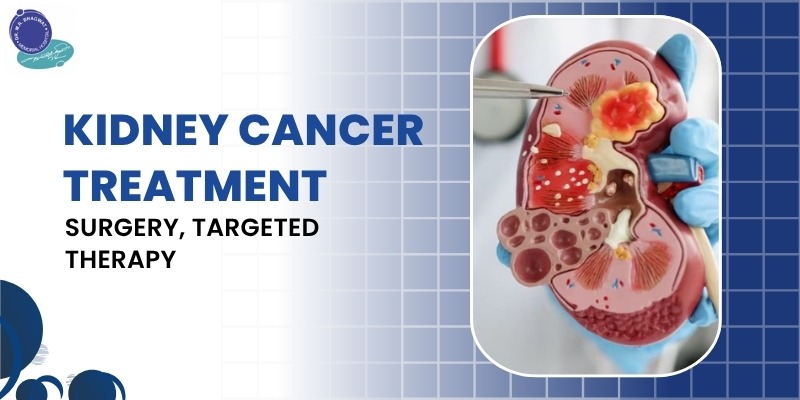
Hearing the words “kidney cancer” can be overwhelming. Many patients immediately worry about survival, pain, and what treatment will involve. The truth is, with timely diagnosis and the right approach, kidney cancer can be treated effectively often with very good outcomes. If you are exploring Kidney Cancer Treatment in Raipur, understanding your options can bring clarity and confidence. At Dr. M.R. Bhagwat Memorial Hospital, patients receive advanced, personalized care under the guidance of Dr. Prashant Bhagwat, combining modern technology with compassionate support. Understanding Kidney Cancer and Why Early Treatment Matters Kidney cancer occurs when abnormal cells in the kidney grow uncontrollably and form a tumor. In many cases, early stages may not show obvious symptoms, which is why timely diagnosis is crucial. Early Kidney Cancer Treatment in Raipur significantly improves outcomes. When detected early, treatment is less complex and often more successful. Additionally, it helps preserve kidney function and prevents the spread of cancer to other organs. Types of Kidney Cancer and How They Affect Treatment Decisions Different types of kidney cancer require different treatment approaches. Understanding the type helps doctors choose the most effective plan. Renal Cell Carcinoma (RCC) is the most common type in adults and is often treated with surgery. Transitional cell carcinoma affects the urinary lining and may need a different approach. In children, Wilms tumor is treated with specialized protocols. The stage and spread of cancer also play a major role. Therefore, accurate diagnosis is essential before planning Kidney Tumor Treatment. Surgery for Kidney Cancer – The Most Effective Treatment Surgery remains the primary and most effective treatment for most kidney cancers. The goal is to remove the tumor while preserving as much healthy kidney tissue as possible. Laparoscopic Radical Nephrectomy In Laparoscopic Radical Nephrectomy in Raipur, the entire affected kidney is removed using minimally invasive techniques. Small incisions, a camera, and specialized instruments allow precise surgery with less pain and faster recovery. Partial Nephrectomy (Kidney-Sparing Surgery) This procedure removes only the tumor while preserving the healthy part of the kidney. It is ideal for smaller tumors and helps maintain kidney function. Open Surgery vs Minimally Invasive Surgery Open surgery involves a larger incision and longer recovery time. However, minimally invasive techniques like laparoscopy are now preferred because they offer less pain, shorter hospital stay, and quicker return to normal life. In most cases, Kidney Cancer Surgery in Raipur today focuses on these advanced techniques for better patient outcomes. Targeted Therapy for Kidney Cancer – How It Works Targeted therapy is a modern treatment that focuses on specific molecules involved in cancer growth. Unlike traditional chemotherapy, it directly targets cancer cells while minimizing damage to healthy tissue. This approach is often used in advanced stages or when surgery alone is not sufficient. It helps slow disease progression and improves quality of life. As part of Kidney Cancer Treatment in Raipur, targeted therapy is carefully selected based on the patient’s condition and response to treatment. Immunotherapy and Advanced Treatment Options Immunotherapy works by strengthening the body’s natural immune system to fight cancer. It is increasingly used in kidney cancer, especially in advanced cases. Additionally, combination therapies may be used to improve effectiveness. These advanced options are considered when cancer has spread or when other treatments are not sufficient. Patients undergoing Kidney Tumor Treatment benefit from these modern therapies, which offer new hope and improved outcomes. Choosing the Right Treatment – What Factors Matter? Selecting the right treatment depends on multiple factors. Doctors consider the size and stage of the tumor, overall health of the patient, and kidney function. Additionally, patient preferences and lifestyle are also important. A personalized approach ensures that Kidney Cancer Treatment in Raipur is both effective and suitable for long-term well-being. Recovery After Kidney Cancer Treatment – What to Expect Recovery varies depending on the type of treatment. After surgery, patients may need a few weeks to fully recover, while minimally invasive procedures allow faster healing. Patients are advised to follow a healthy diet, stay hydrated, and attend regular follow-ups. These steps help monitor recovery and detect any recurrence early. With proper care, most patients gradually return to normal life after Kidney Cancer Treatment in Raipur. Why Choose Dr. M.R. Bhagwat Memorial Hospital for Kidney Cancer Treatment in Raipur Choosing the right hospital can make a significant difference in outcomes. Dr. M.R. Bhagwat Memorial Hospital is known for advanced infrastructure and patient-focused care. The hospital offers modern surgical facilities, accurate diagnostics, and comprehensive Kidney Cancer Surgery in Raipur. Patients benefit from a multidisciplinary approach, ensuring complete and effective treatment. Myth vs Fact Myth: Kidney cancer always requires complete kidney removal Fact: Many cases can be treated with kidney-sparing surgery Myth: Treatment is always painful and risky Fact: Modern techniques are safer, minimally invasive, and more comfortable Frequently Asked Questions (FAQs) What is the best treatment for kidney cancer? The best approach depends on the stage and type of cancer. Kidney Cancer Treatment in Raipur often includes surgery, targeted therapy, or immunotherapy, chosen based on individual patient needs and overall health condition. Is kidney cancer curable? Yes, when detected early, kidney cancer can be effectively treated and even cured. Early Kidney Cancer Treatment in Raipur improves survival rates and allows better long-term outcomes with proper follow-up care. What is laparoscopic radical nephrectomy? It is a minimally invasive surgery where the affected kidney is removed using small incisions. Laparoscopic Radical Nephrectomy in Raipur offers less pain, quicker recovery, and better patient comfort compared to open surgery. How long does recovery take after kidney cancer surgery? Recovery usually takes a few weeks, depending on the procedure. Minimally invasive Kidney Cancer Surgery in Raipur allows faster healing, while open surgery may require a longer recovery period. Are there non-surgical options for kidney cancer? Yes, targeted therapy and immunotherapy are effective non-surgical options. These are used especially in advanced cases or when surgery is not suitable for the patient. Can kidney cancer come back after treatment? There is a possibility of recurrence. However, regular follow-ups, lifestyle changes, and monitoring after

Uncategorized

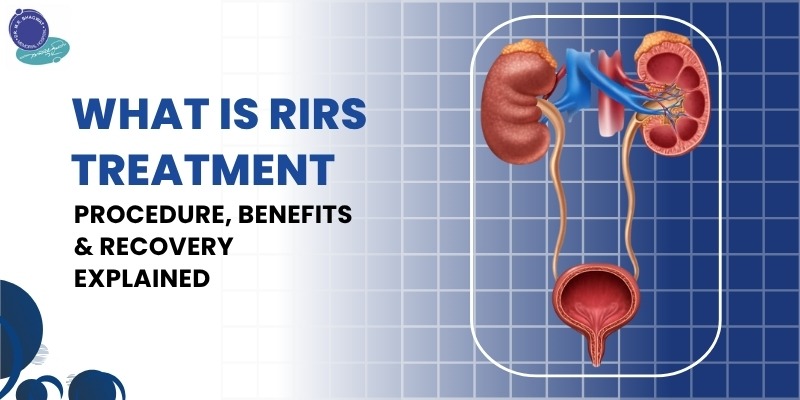
What is RIRS Treatment? Procedure, Benefits & Recovery Explained

Kidney stone pain can be sudden, sharp, and extremely uncomfortable. Many patients try medications or home remedies first, but when the pain keeps returning or the stone doesn’t pass, advanced treatment becomes necessary. At this stage, a common question arises—Is there a safe, painless, and effective solution? If you are considering RIRS Treatment in Raipur, it is important to understand that modern urology has made kidney stone removal far more comfortable and minimally invasive than before. At Dr. M.R. Bhagwat Memorial Hospital, patients receive advanced care with the latest technology under the expert guidance of Dr. Prashant Bhagwat, ensuring safe treatment and faster recovery. Understanding Kidney Stones and When RIRS is Recommended Kidney stones are hard deposits formed from minerals and salts in the kidneys. While smaller stones may pass naturally, some can get stuck and cause intense pain, infection, or blockage. Doctors usually recommend RIRS Treatment in Raipur when stones are difficult to pass, located in complex areas of the kidney, or when other treatments like medication or ESWL are not effective. In such situations, timely Kidney Stone Treatment in Raipur helps prevent complications. What is RIRS (Retrograde Intrarenal Surgery)? RIRS (Retrograde Intrarenal Surgery) is a minimally invasive, no-cut procedure used to remove kidney stones using advanced laser technology. In RIRS Treatment in Raipur, a flexible scope is passed through the natural urinary pathway (without any incision) to reach the kidney. The stone is then broken into tiny pieces using a laser, which either pass naturally or are removed. This technique is considered one of the most advanced forms of Laser Stone Surgery in Raipur, offering high precision and patient comfort. Step-by-Step Procedure of RIRS Surgery Understanding the process can help reduce fear and anxiety about the procedure. During RIRS Treatment in Raipur, the patient is given anesthesia to ensure complete comfort. A flexible ureteroscope is passed through the urethra into the kidney without any cuts. Once the stone is located, a laser is used to break it into fine particles. These fragments are either removed or allowed to pass naturally through urine. The procedure is highly precise and avoids damage to surrounding tissues, making it safer than traditional Kidney Stone Surgery in Raipur. Benefits of RIRS Treatment Over Traditional Surgery RIRS Treatment in Raipur offers several advantages compared to conventional surgical methods: No cuts or stitches required Minimal pain and discomfort Faster recovery time Short hospital stay High success rate for stone removal Additionally, compared to other Kidney Stone Treatment in Raipur options, RIRS is especially beneficial for stones in difficult-to-reach areas. Risks and Possible Complications of RIRS RIRS is a safe and widely performed procedure, but like any medical treatment, it may involve some minor risks. Mild infection Temporary discomfort Rare bleeding However, under the care of an experienced Urologist in Raipur like Dr. Prashant Bhagwat, complications are rare and effectively managed. Recovery After RIRS Surgery – Timeline, Diet & Care Recovery after RIRS is usually quick and smooth. Most patients experience minimal discomfort and return to daily activities within a few days. RIRS Surgery Recovery typically includes a short hospital stay and gradual improvement over 3–7 days. Doctors advise proper hydration, light diet, and avoiding strenuous activities during the initial recovery phase. Following post-procedure instructions ensures faster healing and reduces the risk of recurrence. Who is the Right Candidate for RIRS? RIRS Treatment in Raipur is suitable for patients who: Have small to medium kidney stones Have stones in difficult locations Prefer non-invasive treatment Are not suitable for open surgery A proper evaluation by a Urologist in Raipur helps determine whether RIRS is the best option. Why Choose Dr. M.R. Bhagwat Memorial Hospital for RIRS Treatment in Raipur Choosing the right hospital plays a crucial role in successful treatment outcomes. Dr. M.R. Bhagwat Memorial Hospital is known for its advanced technology and patient-focused approach. The hospital offers modern equipment, accurate diagnostics, and comprehensive Kidney Stone Treatment in Raipur. Patients benefit from safe procedures, personalized care, and high success rates. Expert Care by Dr. Prashant Bhagwat Dr. Prashant Bhagwat is a highly experienced Urologist in Raipur with expertise in advanced endoscopic and laser-based treatments. His patient-centric approach ensures accurate diagnosis, minimally invasive treatment, and long-term relief. Patients trust Dr. Prashant Bhagwat for safe and effective stone removal procedures. Myth vs Fact Myth: RIRS is a major surgery Fact: It is a minimally invasive, no-cut procedure Myth: Recovery takes a long time Fact: Most patients recover within a few days Frequently Asked Questions (FAQs) Is RIRS Treatment in Raipur painful? RIRS Treatment in Raipur is performed under anesthesia, so patients do not feel pain during the procedure. After surgery, mild discomfort may occur, but it is temporary and easily managed with medications. How long does RIRS surgery take? RIRS surgery usually takes 45 minutes to 1.5 hours depending on the size and location of the stone. The procedure is safe, precise, and performed using advanced laser technology. What is the success rate of RIRS? RIRS Treatment in Raipur has a high success rate, especially for small to medium stones. Most patients achieve complete stone clearance with minimal complications and faster recovery. How long is RIRS surgery recovery? RIRS Surgery Recovery is usually quick, with most patients resuming normal activities within 3–7 days. Complete recovery may take slightly longer depending on individual health and stone size. Is RIRS better than other kidney stone treatments? RIRS is more effective for stones in difficult locations compared to other Kidney Stone Treatment in Raipur options. It offers a no-cut approach with faster recovery and minimal discomfort. Can kidney stones come back after RIRS? Yes, stones can recur after RIRS. However, proper hydration, dietary changes, and regular follow-up with a Urologist in Raipur can significantly reduce the chances of recurrence.

Uncategorized

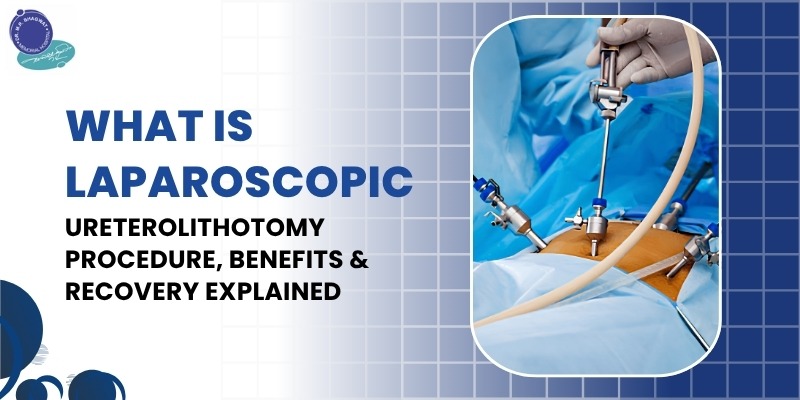
What is Laparoscopic Ureterolithotomy? Procedure, Benefits & Recovery Explained

Ureter stones can cause sudden, sharp pain that disrupts daily life. Many patients try medications or non-surgical treatments, but when the stone is large or stuck, surgery becomes necessary. At this stage, people often worry Is surgery safe? Will it be painful? How long will recovery take? If you are exploring Laparoscopic Ureterolithotomy in Raipur, it’s important to understand that modern surgical techniques have made stone removal much safer, minimally invasive, and highly effective. At Dr. M.R. Bhagwat Memorial Hospital, advanced laparoscopic procedures are performed under the expert care of Dr. Prashant Bhagwat, ensuring precision, safety, and faster recovery for patients. Understanding Ureter Stones and When Surgery Becomes Necessary Ureter stones are kidney stones that move into the ureter (the tube connecting the kidney to the bladder). Small stones may pass naturally, but larger ones can get stuck and cause severe pain, blockage, or infection. Doctors recommend Ureter Stone Surgery in Raipur when the stone does not pass on its own, causes persistent pain, or leads to complications. In such cases, delaying treatment can worsen the condition and affect kidney function. What is Laparoscopic Ureterolithotomy? Laparoscopic ureterolithotomy is a minimally invasive surgical procedure used to remove large or impacted ureter stones through small incisions. In Laparoscopic Ureterolithotomy in Raipur, surgeons use a laparoscope (a thin tube with a camera) to locate and remove the stone precisely. Unlike traditional open surgery, this method reduces tissue damage and speeds up recovery. This technique is especially useful when other methods like URS or ESWL are not effective. Step-by-Step Procedure of Laparoscopic Ureterolithotomy Understanding the procedure helps reduce anxiety and builds confidence in treatment. During Laparoscopic Ureterolithotomy in Raipur, the patient is given anesthesia for complete comfort. Small incisions are made in the abdomen, through which a camera and surgical instruments are inserted. The surgeon carefully identifies the ureter, locates the stone, and removes it. After ensuring proper clearance, the incision is closed with minimal sutures. This advanced approach ensures accuracy and minimizes complications compared to traditional Kidney Stone Surgery in Raipur. Benefits of Laparoscopic Ureterolithotomy Over Traditional Surgery Laparoscopic Ureterolithotomy in Raipur offers several advantages over open surgery: Smaller incisions and minimal scarring Less pain after surgery Shorter hospital stay Faster recovery and return to normal life Lower risk of complications Additionally, compared to conventional Kidney Stone Surgery in Raipur, this method provides better precision and patient comfort. Risks and Possible Complications You Should Know Although Laparoscopic Stone Removal in Raipur is generally safe, every surgery carries some risks. Mild bleeding or infection Temporary discomfort Rare injury to nearby structures However, when performed by an experienced Urologist in Raipur like Dr. Prashant Bhagwat, these risks are minimal and well-managed with proper care. Recovery After Laparoscopic Ureterolithotomy – Timeline & Care Recovery after Laparoscopic Ureterolithotomy in Raipur is usually smooth and quicker compared to traditional surgery. Most patients stay in the hospital for a short period and can resume light activities within a few days. Complete recovery may take 1–2 weeks depending on individual health. Doctors usually recommend proper hydration, medications, and avoiding heavy activities during recovery. Following these instructions helps in faster healing and prevents complications. Who is the Right Candidate for This Surgery? Laparoscopic Ureterolithotomy in Raipur is recommended for patients who: Have large or impacted ureter stones Do not respond to non-surgical treatments Experience severe pain or complications A detailed evaluation by a Urologist in Raipur helps determine whether this procedure is the best option. Why Choose Dr. M.R. Bhagwat Memorial Hospital for Laparoscopic Ureterolithotomy in Raipur Choosing the right hospital plays a crucial role in treatment success. Dr. M.R. Bhagwat Memorial Hospital is known for advanced surgical care and patient trust.  The hospital offers modern operation theatres, advanced imaging technology, and comprehensive care for Kidney Stone Surgery in Raipur. Patients benefit from safe procedures, personalized attention, and high success rates. Expert Care by Dr. Prashant Bhagwat Dr. Prashant Bhagwat is a highly experienced Urologist in Raipur with expertise in advanced laparoscopic and endoscopic procedures. His approach focuses on accurate diagnosis, minimally invasive treatment, and long-term patient well-being. Patients trust Dr. Prashant Bhagwat for safe and effective stone removal surgeries. Myth vs Fact Myth: Laparoscopic surgery is very painful Fact: It involves minimal pain and faster recovery Myth: Recovery takes months Fact: Most patients recover within 1–2 weeks Frequently Asked Questions (FAQs) Is laparoscopic ureterolithotomy painful? Laparoscopic Ureterolithotomy in Raipur is performed under anesthesia, so patients do not feel pain during the procedure. After surgery, mild discomfort may occur, but it is manageable with medications and improves quickly. How long does the surgery take? The procedure usually takes 1 to 2 hours depending on the size and location of the stone. In complex cases, it may take slightly longer but remains safe and effective. Is this better than other ureter stone treatments? Yes, for large or impacted stones, Laparoscopic Ureterolithotomy in Raipur is more effective than other treatments. It allows direct removal of the stone, ensuring quicker relief and better outcomes. How long is the recovery period? Recovery after Laparoscopic Stone Removal in Raipur is usually quick. Most patients return to normal activities within 1–2 weeks, although complete healing may take slightly longer depending on individual health. Are there any risks involved? Like any surgery, there are minor risks such as infection or bleeding. However, with an experienced Urologist in Raipur, complications are rare and can be managed effectively. Can stones come back after surgery? Yes, stones can recur even after successful treatment. Maintaining proper hydration, dietary changes, and regular follow-up with a Urologist in Raipur can significantly reduce the chances of recurrence.

Uncategorized

Is PCNL Painful? Risks, Benefits, and Success Rate Explained

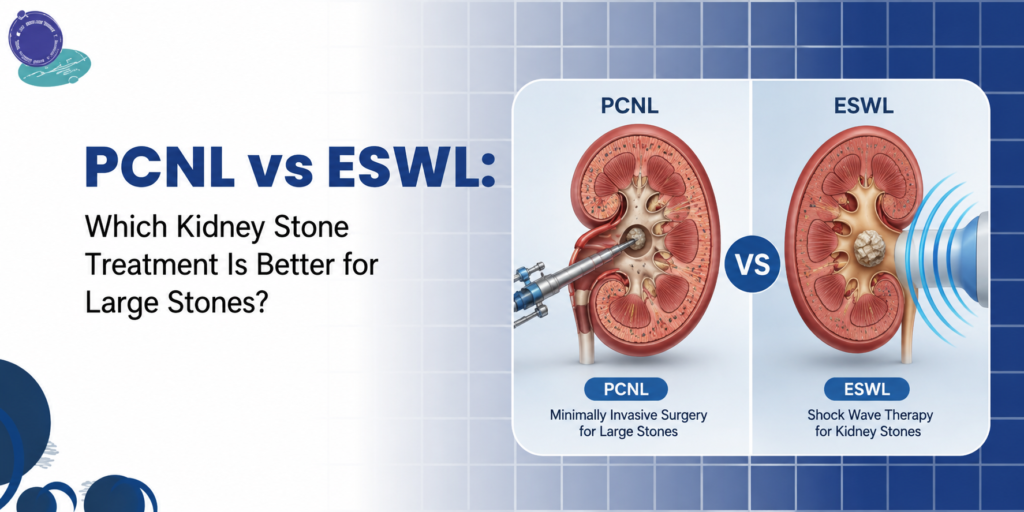
Kidney stone pain is often described as one of the most intense pains a person can experience. Naturally, when patients hear about surgery, the first question that comes to mind is “Is it painful?” If you are considering PCNL Treatment in Raipur, it’s completely normal to feel anxious about pain, recovery, and safety. The good news is that modern techniques have made kidney stone removal far more comfortable and effective than before. At Dr. M.R. Bhagwat Memorial Hospital, patients receive advanced care under the expertise of Dr. Prashant Bhagwat, ensuring safe procedures and faster recovery. Understanding Kidney Stones and When PCNL is Recommended Kidney stones are hard mineral deposits that form inside the kidneys. While smaller stones may pass naturally, larger stones can block urine flow and cause severe pain. Doctors usually recommend PCNL Treatment in Raipur when stones become large, cause continuous pain, or lead to complications like infection or blockage. In such situations, timely Kidney Stone Surgery in Raipur helps prevent further damage and provides long-term relief. What is PCNL Treatment and How is it Performed? PCNL (Percutaneous Nephrolithotomy) is a minimally invasive procedure used to remove large kidney stones. It is performed using advanced instruments through a small incision in the back. During PCNL Treatment in Raipur, a thin scope is inserted into the kidney, and the stone is broken into smaller pieces using laser or ultrasonic energy. These fragments are then carefully removed, ensuring complete clearance. This advanced Kidney Stone Removal Surgery avoids large cuts, reduces pain, and allows faster recovery compared to traditional surgery. Is PCNL Surgery Painful? What Patients Actually Feel This is the most common concern and the honest answer is: PCNL is not as painful as most patients expect. During the procedure, patients are under anesthesia, so they do not feel pain. After surgery, there may be mild discomfort or soreness near the incision site, but it is effectively managed with medication. Most patients feel noticeable relief from the intense pain caused by kidney stones, and overall PCNL Surgery Recovery is much more comfortable than expected. Benefits of PCNL Treatment for Kidney Stones PCNL Treatment in Raipur is highly effective, especially for large or complex kidney stones that cannot be treated with other methods. It offers a high success rate, allows complete stone removal in most cases, and provides faster relief from symptoms. Additionally, it is minimally invasive, which means less pain, shorter hospital stay, and quicker recovery compared to traditional Kidney Stone Surgery in Raipur. Risks and Possible Complications of PCNL Surgery Like any surgical procedure, PCNL may involve some risks. However, when performed by an experienced Urologist in Raipur, complications are uncommon and usually manageable. Patients may experience mild bleeding, temporary discomfort, or infection in rare cases. At Dr. M.R. Bhagwat Memorial Hospital, strict safety protocols and advanced monitoring help minimize these risks effectively. Success Rate of PCNL Treatment – What You Should Know PCNL Treatment in Raipur is known for its high success rate, especially in cases of large or complex kidney stones. In most patients, complete stone removal is achieved in a single procedure, with success rates ranging between 90–95%. Additionally, symptoms improve quickly, and long-term outcomes are very positive with proper follow-up. PCNL Surgery Recovery – Timeline, Pain Management, and Care Recovery after PCNL is generally smooth and faster compared to traditional surgery. Most patients stay in the hospital for a short duration and begin recovering quickly. Typically, patients may experience mild pain for a few days, which is manageable with medication. Normal daily activities can usually be resumed within 1–2 weeks, depending on individual recovery. Doctors advise proper hydration, medication adherence, and avoiding heavy activities for a short period to ensure complete healing and prevent recurrence. Who is the Right Candidate for PCNL? PCNL Treatment in Raipur is recommended for patients who have large kidney stones, multiple stones, or stones that have not responded to other treatments.  A detailed evaluation by a Urologist in Raipur helps determine whether this procedure is the most suitable option for effective and long-term treatment. Why Choose Dr. M.R. Bhagwat Memorial Hospital for PCNL Treatment in Raipur Choosing the right hospital plays a crucial role in successful treatment outcomes. Dr. M.R. Bhagwat Memorial Hospital is known for its advanced infrastructure and patient-focused care. With modern operation theatres, advanced imaging technology, and an experienced surgical team, the hospital ensures safe and effective Kidney Stone Surgery in Raipur. Patients benefit from personalized care and high success rates with PCNL Treatment in Raipur. Expert Care by Dr. Prashant Bhagwat Dr. Prashant Bhagwat is a highly experienced Urologist in Raipur with expertise in advanced kidney stone treatments. His approach focuses on accurate diagnosis, minimally invasive techniques, and long-term patient care. Patients trust Dr. Prashant Bhagwat for safe and effective Kidney Stone Removal Surgery, ensuring relief from symptoms and improved quality of life. Myth vs Fact (Quick Clarity) Myth: PCNL is very painful and risky Fact: It is minimally invasive, and pain is well-controlled Myth: Recovery takes a long time Fact: Most patients recover within 1–2 weeks Frequently Asked Questions (FAQs) Is PCNL Treatment in Raipur painful after surgery? After PCNL Treatment in Raipur, most patients experience only mild discomfort rather than severe pain. This is well-controlled with medications, and symptoms usually improve within a few days as healing progresses. How long does PCNL surgery take? PCNL surgery generally takes about 1 to 3 hours, depending on the size, number, and complexity of kidney stones. Even in slightly longer procedures, it remains a safe and effective treatment option. What is the success rate of PCNL? PCNL Treatment in Raipur has a high success rate of around 90–95% for large kidney stones. In most cases, stones are completely removed in one session, providing quick and lasting relief. How long is PCNL surgery recovery? PCNL Surgery Recovery usually takes around 1 to 2 weeks. Most patients can return to normal daily activities within this period, although complete internal healing may take a little longer. Is PCNL better than other kidney stone treatments? For large or complex stones, PCNL